
On this page
- What Is High-Volume Hiring, and Why Is It Challenging?
- How AI Is Changing High-Volume Hiring in 2026
- 6 Ways AI Is Improving High-Volume Recruitment
- 1. Automated Resume Screening
- 2. Smarter Candidate Matching
- 3. Skills-Based Candidate Assessments
- 4. Faster Candidate Shortlisting
- 5. Automated Interview Scheduling and Communication
- 6. Recruitment Analytics and Hiring Insights
- Benefits of AI in High-Volume Hiring
- AI vs Traditional High-Volume Hiring
- Challenges of Using AI in Recruitment
- How Kaabil Helps Recruiters with High-Volume Hiring
- Best Practices for Using AI in High-Volume Recruitment
- Final Thoughts
- Frequently asked questions
Hiring hundreds of candidates should not mean reviewing thousands of resumes manually.
For recruiters managing large hiring requirements, finding the right candidates has become more challenging than ever. A single job opening can attract hundreds of applications, but identifying candidates with the right skills, experience and potential still takes considerable time.
This challenge becomes even bigger during high volume hiring, when companies need to fill multiple positions within tight deadlines.
According to SHRM's 2026 Talent Trends Report, 68% of surveyed HR professionals reported difficulty recruiting full-time employees. The challenge is not always a lack of applicants but finding qualified talent among them.
This is where AI in recruitment is changing how organizations approach hiring. From screening resumes to assessing candidate skills, AI helps recruiters reduce repetitive work and focus on identifying suitable candidates.
But how much of the recruitment process can AI actually improve?
In this blog, we will explore how AI is transforming high-volume hiring in 2026, its benefits, common challenges, practical applications and how platforms like Kaabil help recruiters make more informed hiring decisions.
What Is High-Volume Hiring, and Why Is It Challenging?#
High volume hiring is the process of recruiting a large number of candidates within a short period. It is commonly used by organizations experiencing rapid growth, seasonal demand or large workforce requirements.
Industries such as retail, IT services, customer support, manufacturing and hospitality frequently depend on bulk hiring to fill multiple positions.
However, handling hundreds or thousands of applications creates several challenges:
- Manual resume screening: Reviewing every application requires significant recruiter time.
- Difficulty identifying qualified candidates: Relevant skills can get overlooked when recruiters manage large applicant pools.
- Longer hiring cycles: Delays in screening and shortlisting slow down recruitment.
- Inconsistent evaluations: Different recruiters may assess candidates using different criteria.
- Limited candidate engagement: Managing communication across large applicant pools becomes difficult.
These challenges make traditional recruitment processes harder to scale.
How AI Is Changing High-Volume Hiring in 2026#
Traditional recruitment often depends on manual resume reviews, spreadsheets and multiple hiring platforms.
In comparison, AI in recruitment introduces automated workflows that help recruiters manage candidates more efficiently.
AI-powered systems can analyze resumes, identify job-related qualifications, organize applicant information and support candidate evaluations.
According to research published by iCIMS and Lighthouse Research in August 2026, 75% of surveyed high-volume employers said AI had reduced their recruitment teams' workload.
The shift is not simply about processing more applications. It is about helping recruiters identify suitable candidates without spending most of their time on repetitive tasks.
With AI recruitment software, hiring teams can focus more on candidate conversations, technical evaluations and final hiring decisions.
6 Ways AI Is Improving High-Volume Recruitment#
1. Automated Resume Screening#
Reviewing hundreds of resumes is one of the most time-consuming recruitment activities.
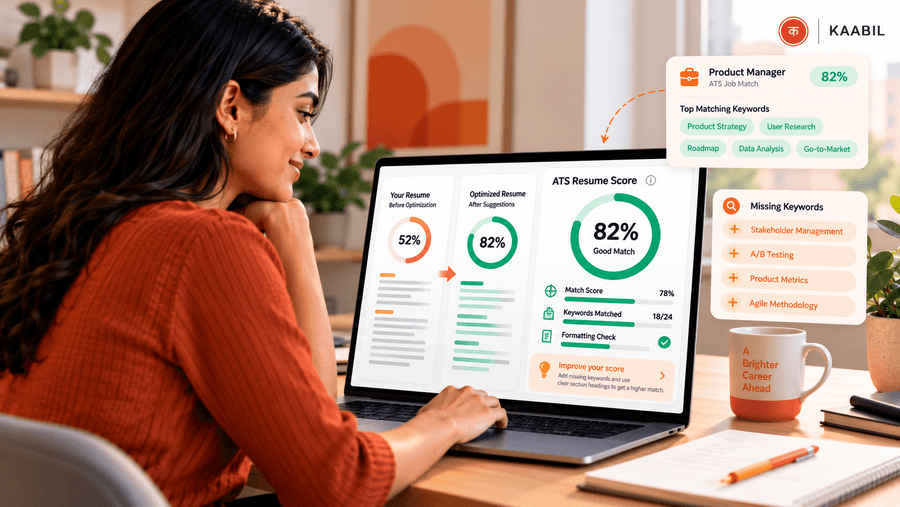
AI resume screening tools can analyze candidate profiles and compare job-related information against predefined requirements.
Instead of manually reviewing every application, recruiters can use automated candidate screening to organize candidates based on relevant skills, qualifications and experience.
For example, when a company receives 1,000 applications for a software developer role, AI can help identify profiles mentioning relevant programming languages, technical experience and other job-related requirements.
Recruiters can then review those recommendations rather than starting with an unorganized application pool.
2. Smarter Candidate Matching#
A resume may contain the right job title without necessarily demonstrating the required capabilities.
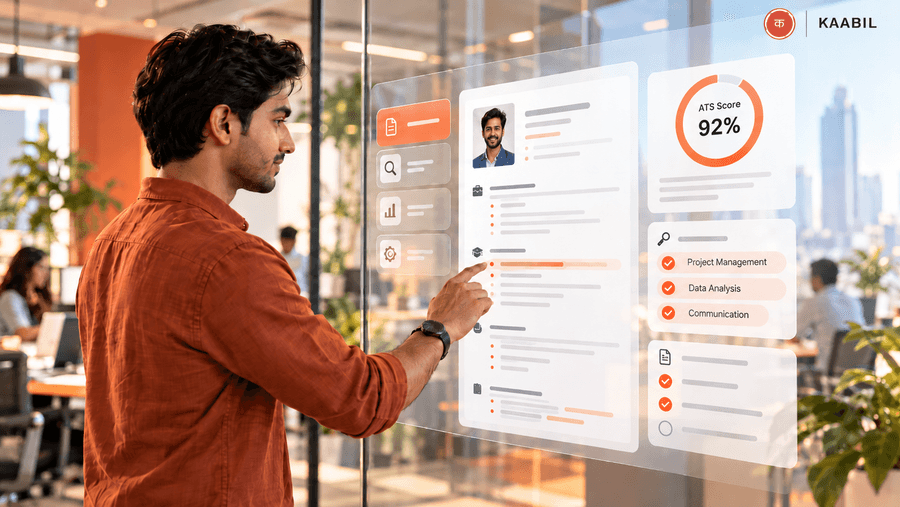
AI-powered matching tools can compare candidate information with job descriptions to identify potentially suitable applicants.
They may evaluate factors such as:
- Relevant technical skills
- Work experience
- Job-related certifications
- Qualifications and role requirements
- Evidence of relevant projects
This makes candidate discovery more structured.
However, matching scores should support recruiter judgment rather than automatically determine who deserves an opportunity.
3. Skills-Based Candidate Assessments#
Resumes explain what candidates claim to know, but they do not always demonstrate what candidates can actually do.
That is why skills based hiring is becoming increasingly important.
AI-assisted assessment platforms help recruiters evaluate job-related abilities through structured tests, coding challenges and role-specific evaluations.
For example, two candidates may have similar educational backgrounds, but a relevant practical assessment can reveal differences in their capabilities.
This provides recruiters with additional evidence beyond resume keywords.
4. Faster Candidate Shortlisting#
During bulk hiring, recruiters may spend considerable time comparing resumes and consolidating evaluations.
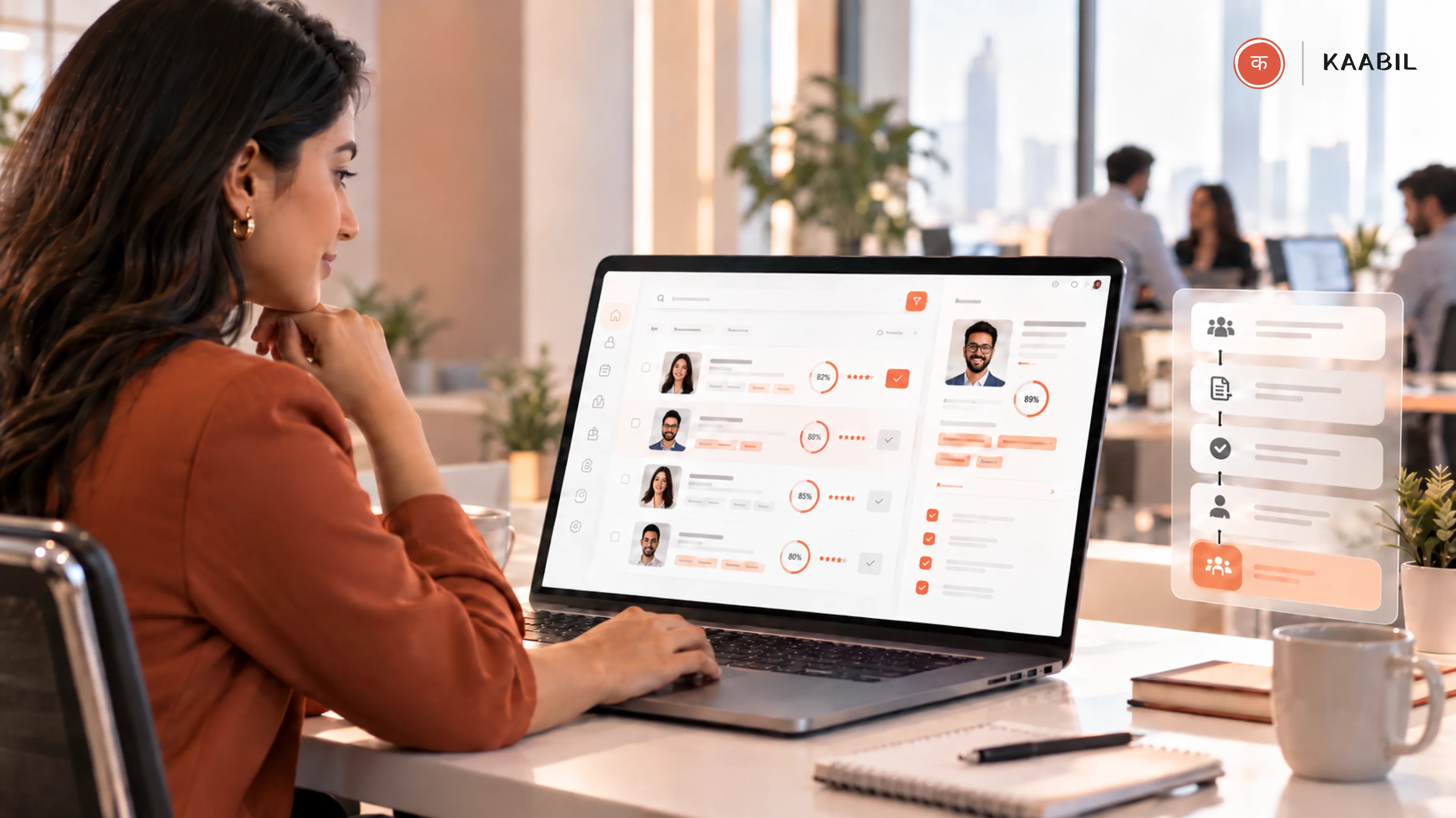
Recruitment tools can bring candidate information, screening results and assessment outcomes into one workflow.
This helps hiring teams prioritize applications for human review and create more manageable shortlists.
The objective is not to eliminate recruiter involvement but to make each review more informed and efficient.
5. Automated Interview Scheduling and Communication#
Coordinating interviews across large applicant pools can become difficult.
Recruitment automation tools can support interview scheduling, application acknowledgements, reminders and status updates.
These workflows reduce repetitive administrative tasks and help candidates stay informed throughout the hiring process.
Recruiters can then spend more time speaking with qualified applicants instead of repeatedly coordinating schedules.
6. Recruitment Analytics and Hiring Insights#
AI-enabled recruitment platforms can also help hiring teams understand their recruitment performance.
Depending on the platform, recruiters may track application volumes, screening outcomes, hiring timelines and candidate drop-off.
These insights can reveal where candidates are getting delayed or leaving the process.
Organizations can use that information to improve future hiring campaigns and identify opportunities to reduce unnecessary steps.
Benefits of AI in High-Volume Hiring#
The biggest advantage of AI in recruitment is not simply speed. It is the ability to handle large recruitment workloads while maintaining structured evaluations.
Some important benefits include:
- Reduced manual workload: AI helps organize applications and complete repetitive screening activities, allowing recruiters to focus on higher-value tasks.
- Faster hiring workflows: Automated screening and scheduling can reduce delays between application, evaluation and interview stages.
- More consistent evaluations: Defined screening criteria and standardized assessments can make comparisons more consistent, provided those criteria are appropriate and regularly reviewed.
- Better visibility into candidate capabilities: Combining resume information with skill assessments offers a more complete picture of applicants.
- Improved scalability: Organizations can manage larger applicant pools without increasing every administrative task proportionally.
These benefits depend on the software, the quality of the hiring criteria and how carefully recruiters use the results.
AI vs Traditional High-Volume Hiring#
Both approaches aim to identify suitable candidates, but they differ in how recruitment tasks are managed.
Hiring Process | Traditional Hiring | AI-Assisted Hiring |
Resume screening | Mostly manual | Automated analysis with recruiter review |
Candidate matching | Manual comparisons | AI-supported recommendations |
Skill evaluation | Separate or manual assessments | Integrated, structured assessments |
Shortlisting | Time-intensive | Can be faster and more organized |
Interview scheduling | Manual coordination | Automated scheduling workflows |
Hiring insights | Manual reporting | Centralized analytics where supported |
AI-assisted hiring does not automatically guarantee better results. However, it can simplify repetitive processes and provide recruiters with more structured information for decision-making.
Challenges of Using AI in Recruitment#
Despite its advantages, AI recruitment software comes with certain challenges that organizations need to address.
- Algorithmic Bias
AI systems may reflect biases present in their training data, leading to unfair candidate evaluations. This can affect hiring decisions and cause qualified candidates to be overlooked. Organizations should regularly review AI-generated recommendations to ensure fair and consistent screening.
- Inaccurate Candidate Matching
AI may sometimes overlook suitable candidates because of different resume formats, missing keywords or unconventional career paths. A candidate may have the right skills but still receive a lower match score. Human review is essential to avoid missing deserving applicants.
- Candidate Data Privacy
Recruitment involves collecting sensitive candidate information, including resumes, contact details and employment history. Companies must ensure that AI recruitment tools handle this data securely and follow applicable privacy regulations. Protecting candidate information helps maintain trust.
- Overdependence on Automation
Relying entirely on AI can result in missed details that require human understanding. While AI can screen resumes and assess qualifications, recruiters are still needed to evaluate communication, experience and overall suitability. Combining automation with human judgment leads to better hiring decisions.
AI works best when combined with human expertise. While AI helps automate screening and speed up recruitment, human judgment ensures fair candidate evaluations, better hiring decisions and a more effective recruitment process.
How Kaabil Helps Recruiters with High-Volume Hiring#
Managing high volume hiring becomes easier when AI-powered candidate screening and skill assessments work together.
Kaabil Hire, helps recruiters simplify hiring with AI recruitment software that reduces manual screening and supports faster candidate evaluations.
Instead of reviewing hundreds of resumes manually, recruiters can use recruitment automation to identify qualified candidates and streamline the shortlisting process.
Its key capabilities include:
- AI-Powered Resume Screening: Uses AI resume screening to analyze resumes and match candidates with job requirements.
- Automated Candidate Shortlisting: Helps recruiters identify and prioritize qualified candidates, reducing manual effort.
- Skills-Based Assessments: Supports skills based hiring by evaluating candidates beyond their resumes.
- Structured Candidate Evaluation: Organizes screening and assessment results to support faster, more informed hiring decisions.
For companies managing bulk hiring, Kaabil helps simplify recruitment workflows while focusing on candidate quality.
By combining automated candidate screening with skill assessments, Kaabil helps recruiters move beyond resume-based hiring and identify candidates based on their actual capabilities.
Best Practices for Using AI in High-Volume Recruitment#
Organizations should approach recruitment automation as a way to improve recruitment workflows, not simply eliminate manual steps.
Start by defining clear job requirements before introducing automated screening. Separate essential qualifications from preferred ones so suitable candidates are not excluded unnecessarily.
Use relevant skills assessments to support resume-based evaluations, especially for technical and specialized positions.
Recruiters should also review AI recommendations, monitor screening outcomes and investigate unusual rejection patterns.
Finally, measure recruitment performance using practical indicators such as time-to-hire, candidate progression, assessment outcomes and quality of hire.
These practices help organizations build a more reliable process while keeping human accountability central.
Final Thoughts#
High volume hiring is no longer just about attracting more applicants. It is about identifying the right candidates efficiently.
In 2026, AI in recruitment is helping organizations reduce repetitive screening tasks, organize candidate information and introduce more structured evaluations.
From AI resume screening to skills based hiring, technology is giving recruiters new ways to manage large application volumes.
However, the strongest recruitment processes still combine automation with human judgment.
Platforms like Kaabil, support this approach by bringing candidate screening and skill assessments into the hiring workflow.
Ultimately, better hiring is not about reviewing more resumes. It is about recognizing relevant capabilities and making informed decisions.
Frequently asked questions
1. What is high-volume hiring?
High volume hiring refers to recruiting a large number of employees within a short period. It is commonly used in industries such as retail, customer support, manufacturing and IT services, where organizations need to manage large applicant pools.
2. How is AI used in high-volume recruitment?
AI helps recruiters screen resumes, identify relevant qualifications, match candidates with job requirements, support assessments and automate repetitive administrative tasks.
3. Can AI screen thousands of resumes automatically?
Yes. Suitable AI recruitment software can process large application volumes and organize candidates according to defined criteria. However, recruiters should review screening outcomes and retain oversight of hiring decisions.
4. What are the benefits of AI in recruitment?
AI can reduce manual screening, improve workflow efficiency, support consistent evaluations and help recruiters manage larger applicant pools more effectively.
5. How does AI help recruiters identify qualified candidates?
AI can analyze candidate information against job requirements and combine that information with assessment results. This helps recruiters identify potentially qualified candidates for further review.
6. Can AI replace human recruiters in high-volume hiring?
AI can automate repetitive recruitment activities, but human recruiters remain important for evaluating context, conducting interviews, making final decisions and ensuring fair hiring practices.

Written by
Garima Lakhani
Sr. Digital Marketing Specialist